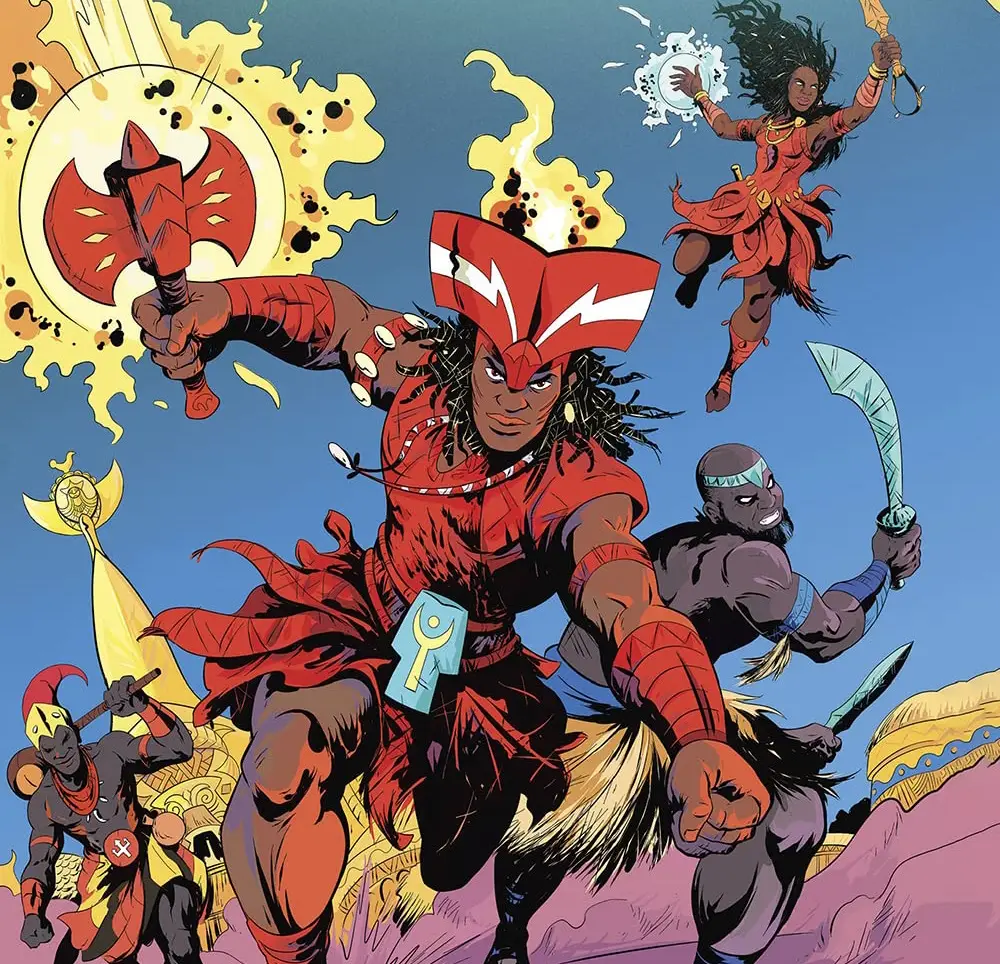
Turning Gods Into Superheroes | Tales Of The Orishas & Hugo Canuto
Last year, I visited Bahia, one of the most magical places I’ve ever been. Its capital, Salvador, is known as the blackest city outside of

Cultural Reads is all about reading globally, discovering different perspectives, and realizing just how much there is to choose from when you look beyond your own country.
But how do you discover new books from different parts of the world? And how do you find something you’ll actually like?
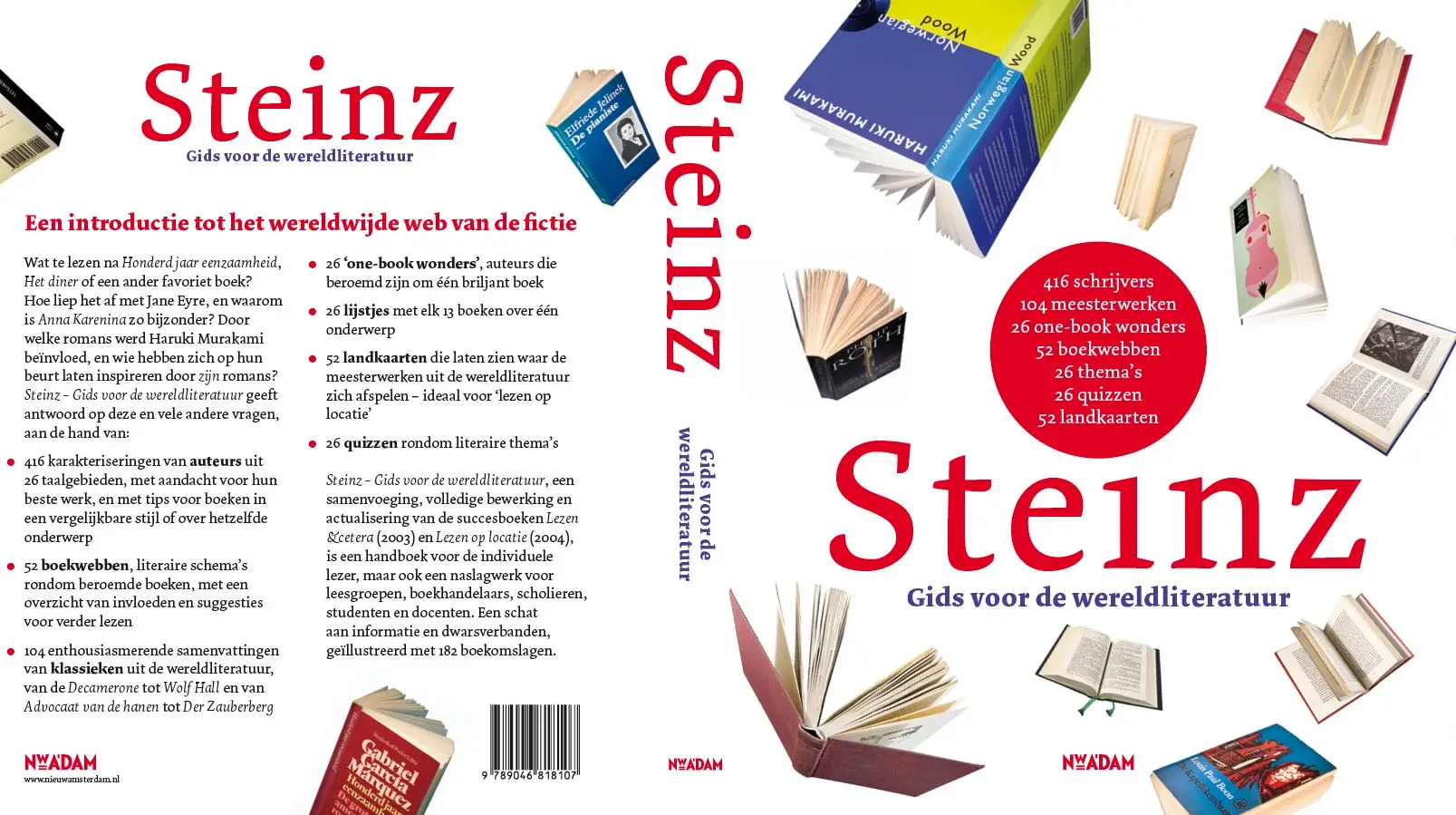
A few years ago, a friend recommended Steinz. Gids voor de wereldliteratuur, aka ‘De dikke Steinz’ to me. It’s a very accessible, almost encyclopedia-like map of world literature, featuring 416 entries on authors and their oeuvres, characterisations of 104 masterpieces, 52 “book webs” connecting groundbreaking novels and their authors with their sources of inspiration and suggestions for further reading, and many more authors and novels without an entry of their own that are mentioned in the what to read after-suggestions, 52 literary maps, 26 thematic reading lists and 26 quizzes.
Although the book is only available in Dutch, I felt this wonderful project deserved to be shared with the rest of the world.
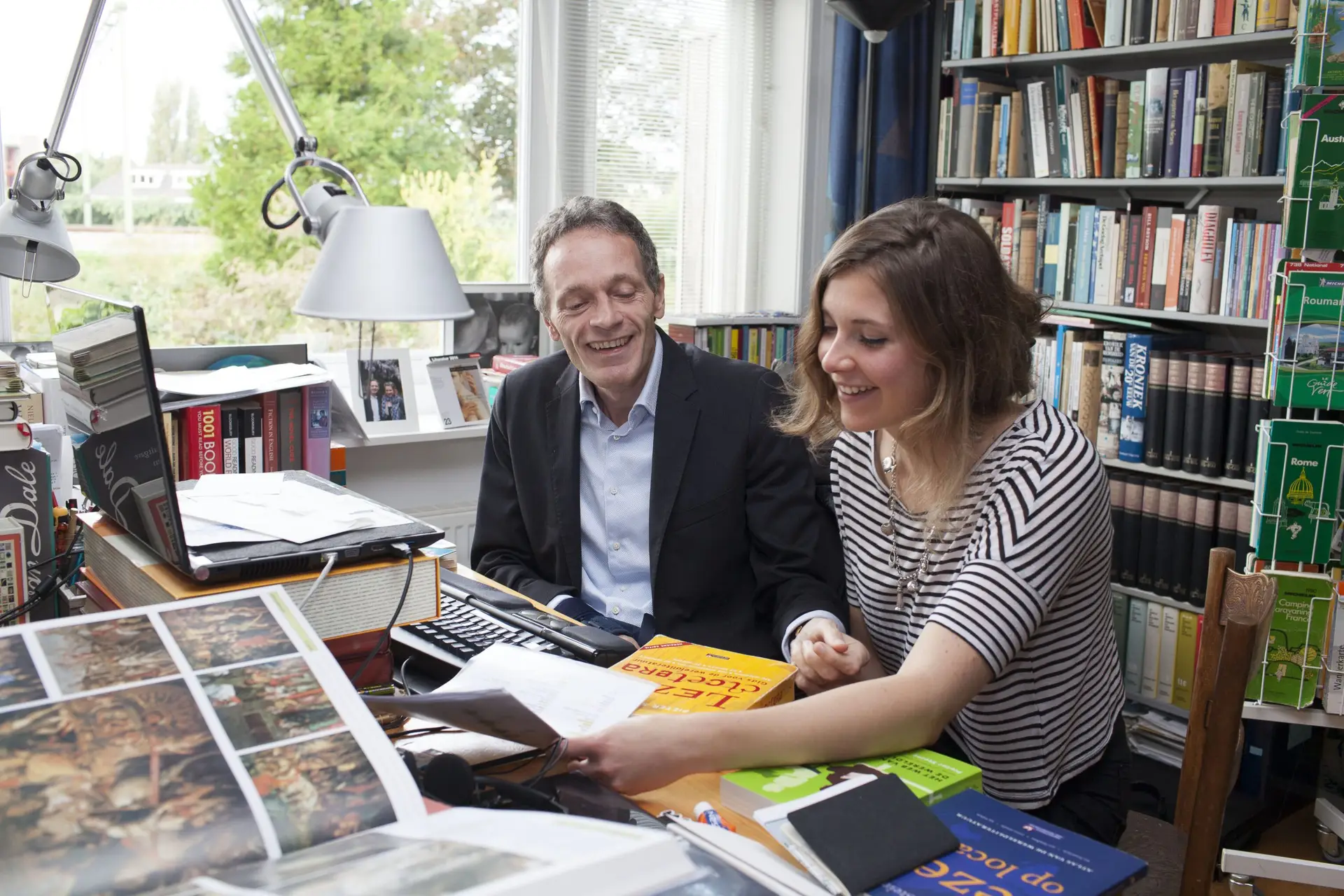
So I reached out to Jet Steinz to talk about how the book came together, what it was like to work on such an ambitious project with her father, renowned literary critic Pieter Steinz, who passed away ten years ago this Saturday (August 29), and, of course, what we should all be reading next.
Both my parents were big readers. My mother later became a Dutch teacher, while my father, Pieter Steinz, after graduating in both Ancient History and English Literature, started working at the Dutch newspaper NRC Handelsblad at a young age. He initially worked on the arts and film desks, but increasingly focused on literature and eventually became the editor of the books section.
So for as long as I can remember, he was writing book reviews. At secondary school, whenever we had to do a book report or presentation and were told to include reviews of the book, quite often someone would say, “Well, I found this review by Pieter Steinz,” which was quite funny, him being my dad.
Yes, I grew up with books and that felt completely normal to me. We had an enormous bookcase at home, and I just assumed everyone had one.
I remember talking to a friend that hadn’t heard of Madame Bovary and saying, “Your parents must have it somewhere on their shelves.” But they didn’t. At the time, I found it hard to imagine.
I read a lot as a child, but I also started reading adult literature quite young, often books my father recommended. I started reading Jane Austen and the Brontë sisters when I was about thirteen, for example.
My father was always thinking about good entry points into literature, both for me and for my younger brother, who read a little less at that age. He also liked connecting books to places. Preparing for holidays in England, he would recommend Wuthering Heights to me, and in Rome, my brother was given Asterix the Gladiator.
I used to come home from school and write short stories in notebooks, on type machines and on computers. It was my favourite hobby, haha.
That interest in books and writing always stayed, which is why I decided to study Dutch language and literature. But after the first year of my bachelor’s, I quit and switched to a combination of Law and Latin and Greek, graduated in both and spent some time working in law and the international field.
After this sort of detour, I ended up back in literature. Which perhaps makes sense, because it had always been my first love and biggest interest.
No, not necessarily.
In 2013, when I was living abroad for an internship and my master’s, my father was diagnosed with ALS, a terminal neurodegenerative disease. He knew he wouldn’t live long, and his strength was already declining.
When I came back to the Netherlands, he told me he wished to make a completely revised edition of Lezen etcetera, the guide to world literature he had published in 2003. Since he no longer had the energy to do it all by himself, he asked if I wanted to help him.
Lezen etcetera, and later Steinz, was an elaboration of the idea that novels do not originate in a vacuum, whether in time or in space. Writers have been influenced by earlier writers, and in turn, influence others. Novels follow and build on other novels. Themes, plots and tropes keep recurring. He was fascinated by this, and wished to expose the ways in which world literature is connected. And not only world literature: in all fields of art, music, comics, films, he saw these cross connections.
But he was also just a very enthusiastic reading promoter. He was always thinking: if you like this kind of style or these themes, what else might you enjoy reading?
I was honored when he asked me to co-write the revised edition with him. It was a very special and beautiful idea, and it fit with many of the things I cared about myself. However sad and cruel the reason was, working together on a project like this turned out to be very inspiring for us both: we had many interesting discussions on literature and also just had a lot of fun.
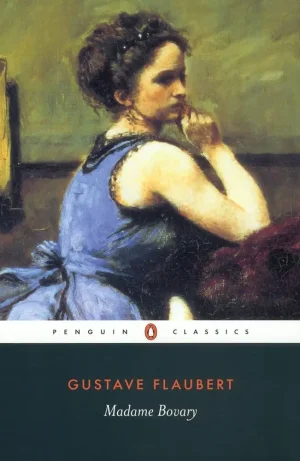
Emma Bovary dreams of a life filled with romance, excitement, and luxury, but finds herself trapped in a dull marriage in provincial France. She turns to affairs and extravagant spending in search of the life she imagined, with increasingly disastrous consequences.
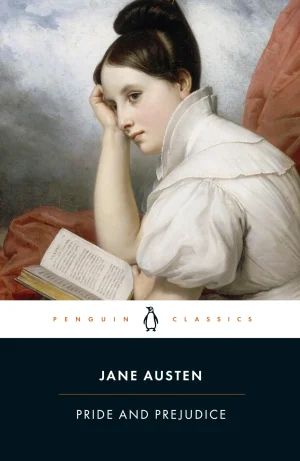
Elizabeth Bennet is intelligent, independent, and quick to judge. When she meets the wealthy and seemingly arrogant Mr. Darcy, neither is particularly impressed. What follows is a funny and sharp story about love, class, family, and the danger of trusting your first impressions.
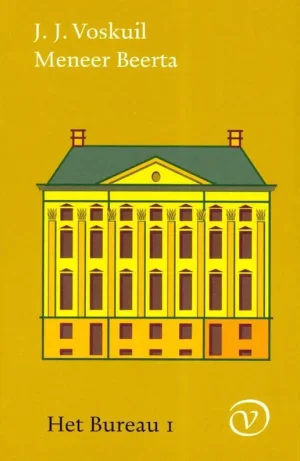
A seven-volume, 5,000-page novel about a man working at a research institute in Amsterdam might not sound exciting. Yet Voskuil turns office politics, annoying colleagues, pointless meetings, and everyday routines into an addictive and often very funny portrait of working life.
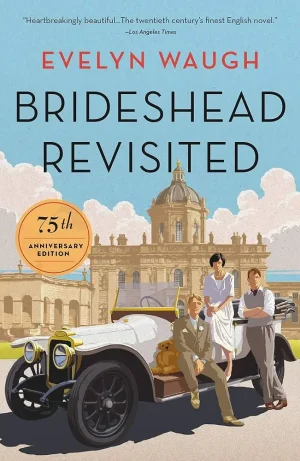
While studying at Oxford, Charles Ryder befriends the charming and eccentric Sebastian Flyte and is drawn into the world of his wealthy aristocratic family. Spanning the 1920s through World War II, it’s a nostalgic story about friendship, love, Catholicism, and the decline of the English aristocracy.
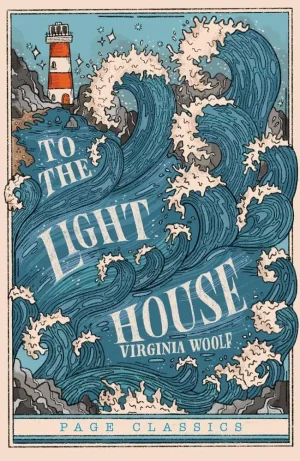
The Ramsay family gathers at their summer home on the Isle of Skye, where a planned trip to a nearby lighthouse becomes the thread connecting two visits separated by years. Woolf uses this simple setting to explore family relationships, memory, grief, and the passage of time.
My father has always been a big reader and a lover of guides and lists. Not only regarding literature, but also, for example, pop music. In high school, he made his own top 40 and in 1991, he debuted with Meneer Van Dale Wacht Op Antwoord, a book about forgotten mnemonics and rote learning lists. Moreover, he was well aware of the cultural cross-connections and networks from very early on.
As a child, he learned about the historic and legendary figure Faust, a doctor and magician who was said to have made a deal with the devil. Later on, my father became intrigued by the many ways in which the story of Faust was told and reinterpreted again and again over the centuries, and how the theme of selling your soul to the devil in exchange for success kept recurring. Not only in literature, such as Goethe’s Faust and Thomas Mann’s Doctor Faustus, but also in comics (i.e., Marten Toonder’s Olivier B. Bommel), music (blues guitar player Robert Johnson), and many more literary, musical, cinematic, and artistic works. In 2010, he wrote a book about Fausts Nachleben: De duivelskunstenaar.
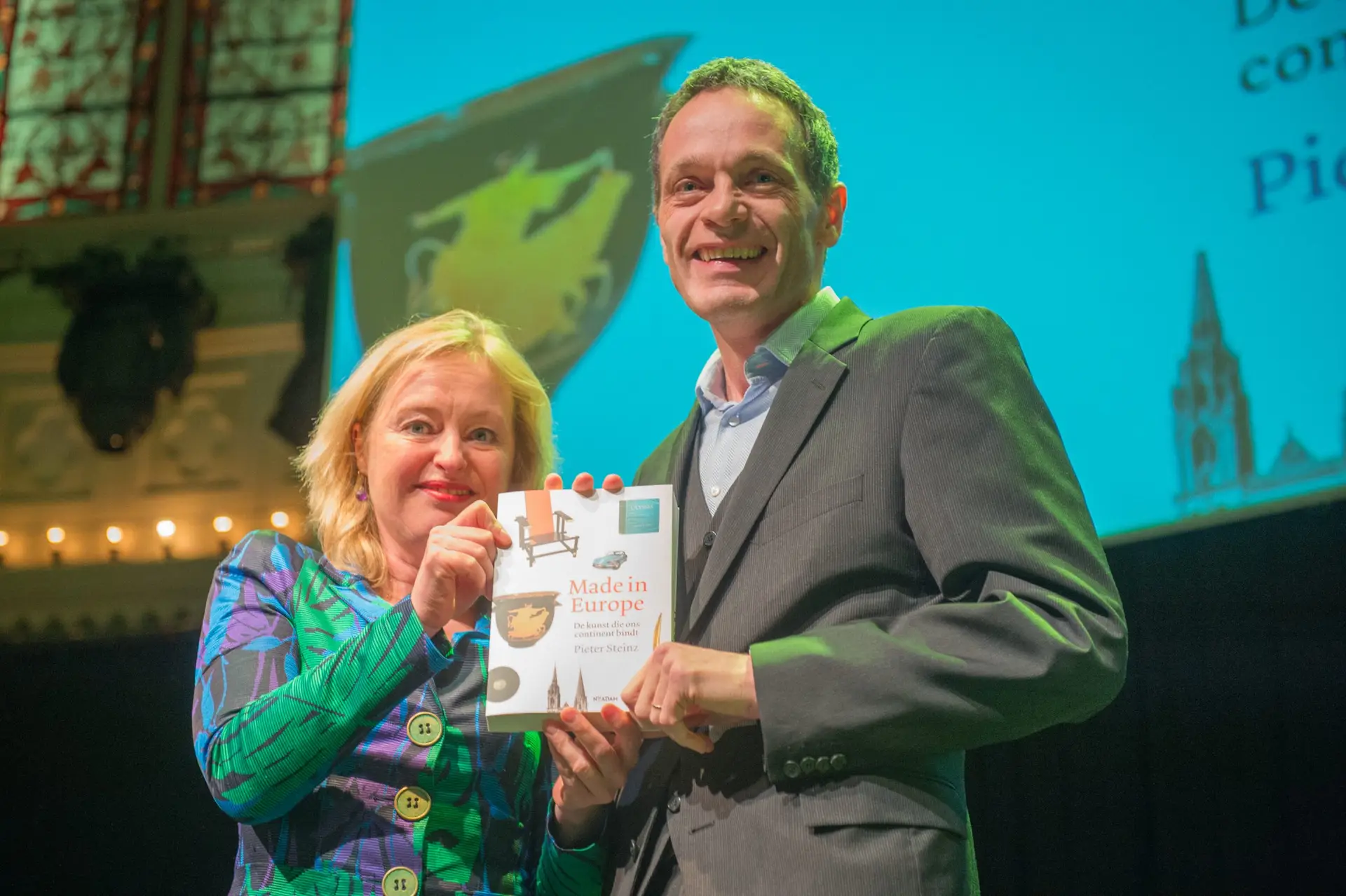
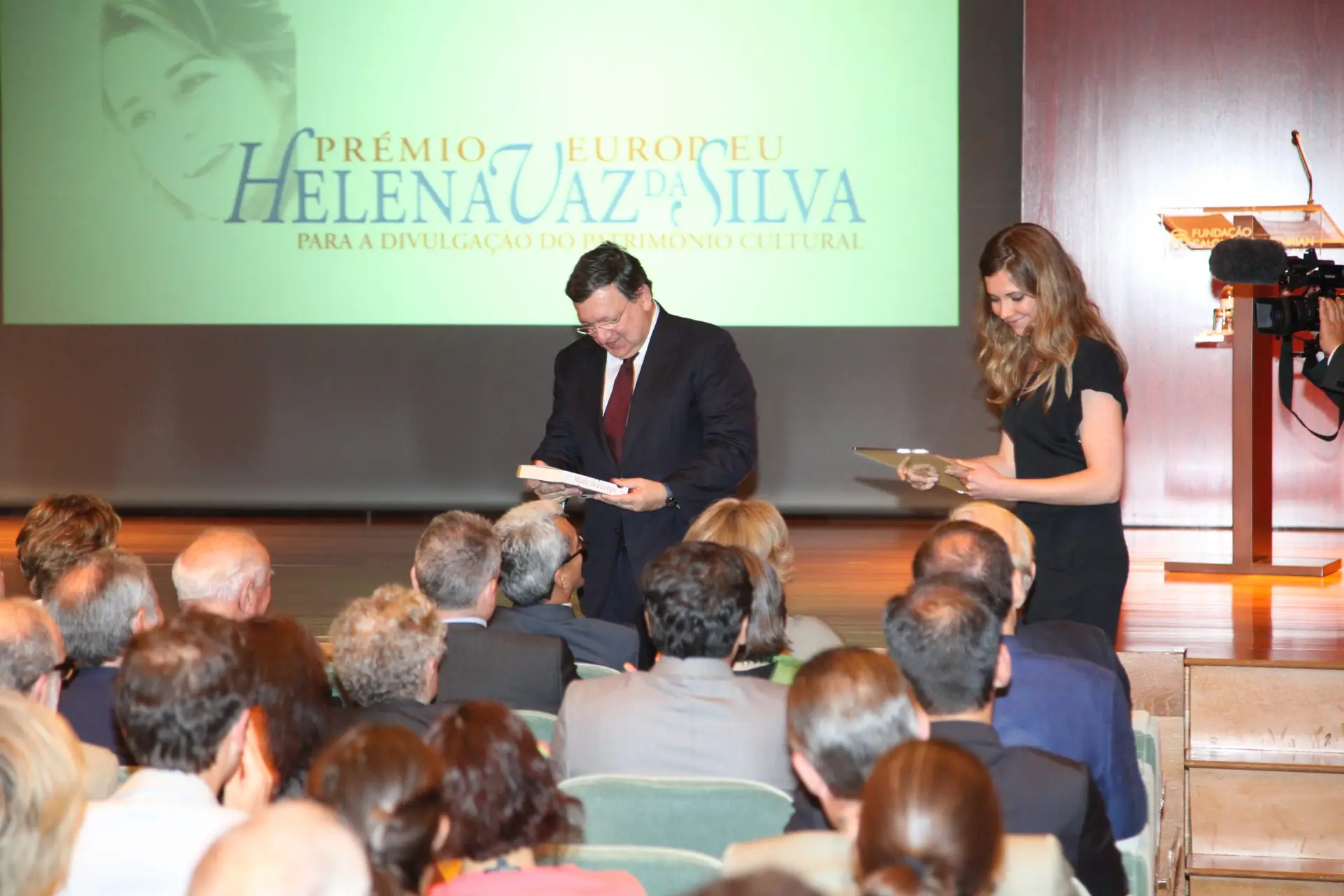
In his bestseller Made in Europe (2014), in which he had collected 104 cultural icons that all Europeans share, he used the metaphor of mycelium (the hidden root network of fungi) when talking about the cultural fabric of Europe, with underlying cross-connections and elements that pop up all across the continent in different forms. He was convinced that through this cultural mycelium, Europeans are much more united than some people might have us believe.
The starting point for both Lezen etcetera and De Steinz was to give an overview of world literature that you could actually find in Dutch bookshops and libraries at the time. So although it is about world literature, there is a Dutch perspective to it, which is also why there are relatively many Dutch authors included.
By 2015, Lezen etcetera was twelve years old, so we really went through it from top to bottom. We basically had 4 categories. (1) There were canonical authors who just stayed (like Virgina Woolf), (2) authors whose entries had to be updated because their oeuvre had grown enormously (like Arnon Grunberg). (3) Other authors had become less relevant and lost their entry, making space for (4) new or rediscovered writers who had emerged over those twelve years.
We also added and revised the literary maps my father had created for another book, Lezen op locatie (2004). The idea behind them was that the more you know about a place, its culture and the people who live there, the more interesting it becomes. The maps bring together books set in a particular country or city, so you can discover a place through its literature.
You always make choices, and people can always criticize them. Someone will say, “Why isn’t this author included?” or “Why did these writers lose their place?” There is inevitably something subjective about it.
Of course now, twelve years later, I would make different choices. Some promising young writers that we included back then did not really live up to the expectations, whereas others did. There are also so many new writers and movements now. Societal discussions have changed; there are things I would probably weigh differently today. I’m older too, of course, having read many more books.
At the same time, my father and I tried to make the selection of authors as objective as possible. We took into account both critical acclaim and commercial success, considered the availability in Dutch libraries and bookshops, and tried to keep a balance in authors, dead and living. In that sense, the book also gives a snapshot of literary history at a particular point in time.
My boyfriend is very interested in finding the best books from countries and cultures we don’t traditionally read much from in the Netherlands. He looks at local lists, sometimes using Google Translate, to see which books people there consider important. Often they haven’t been translated, but at times he discovers a novel that was translated into Dutch decades ago and can still be found second-hand.
If I were making De Steinz today, I would consider including more books like that. Perhaps it could even help bring some of them back into circulation, or get them being translated in the first place. I think it’s very important to read books from different cultures because they give you another perspective and a better understanding of the world. But it starts with translation.
There must be an enormous amount of great literature that we simply can’t access. Even in the Netherlands, fantastic books are published that never get translated. Part of the reason American literature has become so influential is simply that so many people can read English, not necessarily because that’s where the best books are being written.
I’ve definitely thought about it. My younger brother is now also a huge reader and works in the literary world. My father actually lived to see that change in him, which was very special. My brother and I now have almost exactly the same interests in that area, so I’ve sometimes thought it would be nice to make a new edition together.
There’s certainly enough to write about, with so many interesting new writers, themes and developments since 2015. But I’m writing a novel myself at the moment, and that’s really the reason I’m not doing it now.
And for those who still haven’t had enough, three more that almost made the cut: Forbidden Notebook by Alba de Céspedes, I Who Have Never Known Men by Jacqueline Harpman, and The Neapolitan Novels by Elena Ferrante.
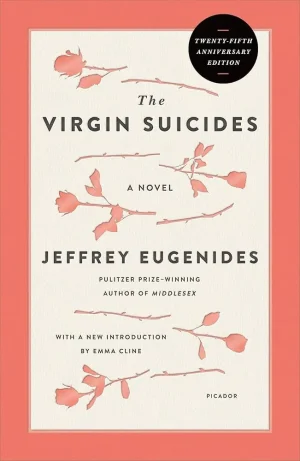
Five mysterious teenage sisters live under increasingly strict parents in a quiet American suburb. After the youngest takes her own life, the neighborhood boys become obsessed with understanding the sisters and what happened to them. A haunting novel about adolescence, memory, desire, and the impossibility of truly knowing another person.
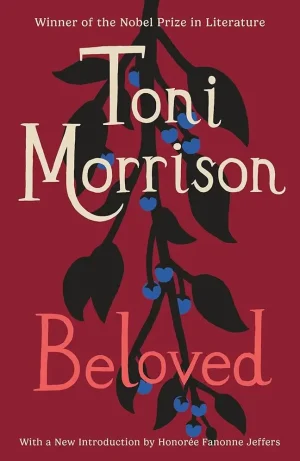
Sethe escaped slavery and built a new life with her children, but the past refuses to leave her alone. When a mysterious young woman named Beloved appears at her home, buried memories begin to return. Morrison combines history and the supernatural in a powerful story about slavery, motherhood, trauma, and memory.
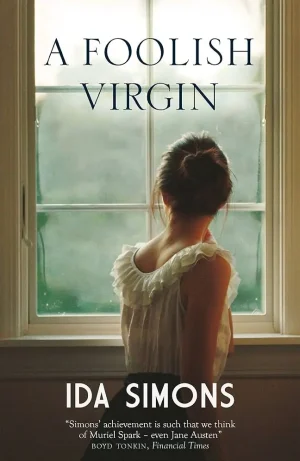
At an Edinburgh girls’ school in the 1930s, charismatic teacher Jean Brodie selects a group of pupils to receive her unconventional education in art, romance, and life. Convinced she is in her prime, she tries to shape their futures, but her influence becomes increasingly manipulative and dangerous.
Gervaise arrives in working-class Paris hoping to build a decent life for herself and her children. For a while, her hard work pays off and she opens her own laundry, but poverty, alcoholism, and bad luck slowly pull the family downward. A brutal and vivid portrait of working-class life in 19th-century Paris.
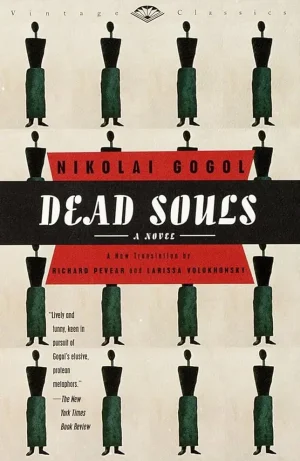
Chichikov travels through rural Russia with a bizarre business plan: buying the names of dead serfs who are still officially registered as alive. His encounters with landowners become a funny and absurd journey through Russian society, allowing Gogol to satirize greed, bureaucracy, status, and human foolishness.
I don’t want to say too much about it, but I can say it’s about the stories people tell themselves to be able to live with what they do and have done. How they justify their sometimes harsh or cruel behavior.
I’m trying to understand certain behavior without necessarily justifying it. I like that ambiguity in novels. A character doesn’t have to be sympathetic, and people are rarely completely good or bad.
I wrote two non-fiction books: Steinz and P.S. From love letters to hate mail: the 150 most remarkable Dutch letters (2019), in which I collected facsimiles of letters from the past five centuries and classified them into 30 categories, such as application letters, hate mail, and goodbye letters, on which I wrote short essays.
As a non-fiction writer, you have to be very careful and accurate, of course. But I feel there is something much more vulnerable about writing fiction. In non-fiction, you can hide behind reality to some extent. Reality justifies the existence of the book, so to say. Writing fiction, I have to make something from my own imagination good enough that I’m essentially asking someone to spend several days of their life reading it.
You also have to balance self-confidence and self-criticism. You need self-criticism to look at something you’ve written and think: this really isn’t good enough yet. But at the same time, you need enough confidence to believe that what you’re writing is worth reading. Otherwise, you’ll never finish it.
Reading is always inspiring.
Sometimes I come across a book that is not widely known, but that has an enormous impact on me. When that happens, you almost feel a connection with the writer, even if they’ve been dead for a hundred years.
I also love discovering how universal certain things are. You can read a nineteenth-century French novel and encounter a character and think: I know exactly this kind of person today.
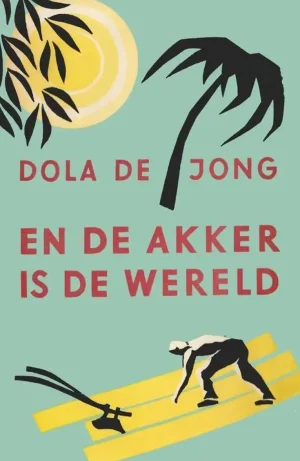
A family fleeing Nazi-occupied Europe builds a new life on a farm in Tangier, where they take in other refugee children. As the war continues in the distance, De Jong explores exile, belonging, and the attempt to create a safe home while the world around them is falling apart.
Growing up in a Jewish family in The Hague and Antwerp, awkward and observant Gittel dreams of becoming a pianist. Surrounded by complicated adults and unhappy marriages, she gradually discovers the strange ways people behave when they fall in love, in a witty coming-of-age story set before World War II.
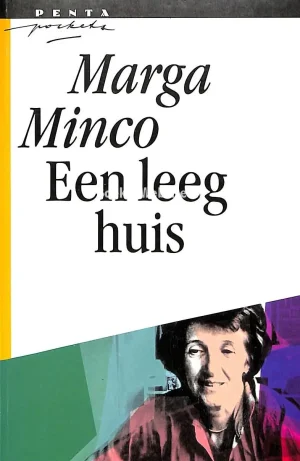
After surviving the Holocaust, Sepha returns to the Netherlands and tries to rebuild her life in a country that has moved on. Through her friendship with another Jewish survivor, Minco explores loss, memory, and the difficulty of returning home when the people and world that once made it home are gone.
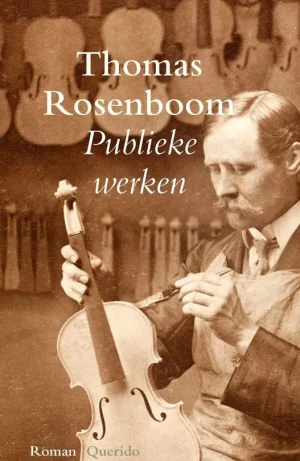
In late 19th-century Amsterdam, a violin maker refuses to sell his house to make way for the grand new Victoria Hotel. Meanwhile, his cousin, a pharmacist, dreams up an ambitious plan to help poor peat workers emigrate to America. Their idealism and pride gradually push both men toward disaster.
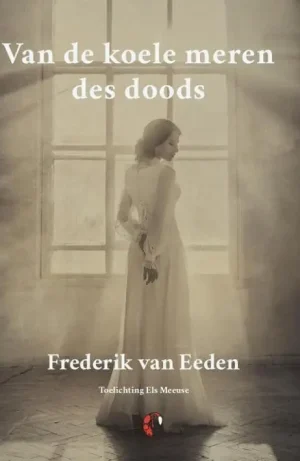
Hedwig grows up in a wealthy Dutch family but struggles to find happiness and meaning in love, marriage, and motherhood. Her search leads her through affairs, grief, addiction, and severe psychological distress, in a remarkably modern novel about a woman trying to understand herself and find peace.
I’m not entirely sure. I loved reading anyway, so I never really had the experience of school putting me off it. But I do think teachers can look more at the individual. When friends ask me for recommendations, I always think about what kind of person they are, what topics they might enjoy, whether they prefer something fast-paced or short sentences. Of course, doing that for every student is much harder.
Perhaps we should also focus less on what students should read and more on getting them to enjoy reading in the first place. I heard about teachers who simply block entire lessons to let their students read. I think that’s a great idea. Especially now, when we’re so easily distracted, it’s valuable to learn to spend an hour completely absorbed in a text. Maybe that’s the key, or at least a key: experiencing how good it can feel to put your phone away and disappear into a book for a while.
Deepen your knowledge. The more knowledge you have, the more interesting the world around you gets. his holds true for all aspects of life, I guess.
For example: a few years ago, I moved to a house with a garden. Before, I knew absolutely nothing about plants. Once I started learning about natural gardening, I suddenly noticed and recognised plants everywhere. Cycling through the city, for example, became more interesting because I started noticing plants and trees in different growth phases.
The literary maps in Steinz are also based on that idea: the more you know about your travel destination, through reading novels that are located there and understanding more about the people who live there, the more interesting the trip will be.

Last year, I visited Bahia, one of the most magical places I’ve ever been. Its capital, Salvador, is known as the blackest city outside of

Ann Morgan is an author, speaker & editor. She has written four books and started two blogs, ayearofreadingwomen and ayearofreadingtheworld. She is also a Literary

I love Kenyan music and bands like Sauti Soul, but I came across something even more interesting not too long ago. I discovered the father

Do you want global book, music, and movie recommendations straight to your inbox?
Sign up for the newsletter below!